Our benefits

24/7 customer support

Professional writers

No plagiarism

Privacy guarantee

Affordable prices

94% of return customers

Free extras

Free title page

Free bibliography

Free formatting

Free of plagiarism

Free delivery

Home
Children of Conflict
by CHARLES MACCORMACK


Innocent victims of war and civil strife, especially children, need special protection from the horrors of violent conflict.


Waging war is not generally considered child's play. And yet, at the end of the 20th century, as wars between nations and civil strife within nations persist, millions of children are affected throughout the world. Although they do not start the wars, children experience the negative consequences of conflict as their lives are disrupted, shattered, or lost. And in a number of countries, children serve as combatants.


In a report prepared for the United Nations in 1996, Graca Machel--liberation leader during the independence struggle with Portugal in Mozambique, widow of the former president of Mozambique, and now the wife of Nelson Mandella--wrote that "war violates every right of a child: the right to life, the right to be with family and community, the right to health, the right to the development of the personality, and the right to be nurtured and protected." [1]


At a minimum, the violence of conflict interrupts a child's healthy growth and development. In more severe cases, the physical impact of war on children is extreme, including disease, injury, sexual assault, disability, malnutrition, and death. In poor countries, where children are already vulnerable to malnutrition and disease, armed conflict can increase death rates by up to 24 times.


All segments of society--men, women, and children, combatant and noncombatant--suffer in times of conflict; but children are particularly vulnerable, and children under 5 years old are most at risk. [2] In too many conflicts and complex emergencies, the needs and rights of children fall through the cracks.


Governments, international relief and development agencies, and nongovernmental organizations have not developed suitable measures to consider, much less meet, the needs of children in times of conflict. As the nature of armed conflict evolves from conventional warfare into an entire spectrum of declared and undeclared warfare, civil strife, ethnic conflict, riots, and humanitarian interventions, the international community needs to make a new commitment to the needs of children.


The basis for such efforts already exists in international legal frameworks and conventions. Among the major international treaties that can be used to protect children from armed conflict, the following stand out:


* The Geneva Conventions are a set of four conventions agreed upon by the United Nations in 1948 and 1949, designed to prevent the recurrence of atrocities like those committed during World War II. The first convention makes genocide a crime under international law, and the fourth convention outlaws abuses of civilians during war, including "willful killing, torture or inhumane treatment,...willfully causing great suffering or serious injury to body or health, unlawful deportation or transfer or unlawful confinement of a protected person."


* The Convention on the Rights of the Child came into force in 1990 through the United Nations. It sets minimum legal and moral standards for the protection of children's civil and political rights. Only two countries in the world--the United States and Somalia--have not ratified the Convention.


A child-focused approach to situations of conflict and humanitarian emergency is practical, possible, and essential. Above all, children need to be protected from the negative effects of conflict. It's far better to protect children before their lives are disrupted rather than to offer protection or report abuses of children's human rights after the physical or psychological effects have taken hold. This new approach to child protection in war will require more-effective use of existing laws and international agreements, and changes in the ways the international community carries out interventions.


Children at Risk


"All wars, disastrous or victorious, are waged against children," said Eglantyne Jebb, who founded Save the Children in 1919. Save the Children is a member of the worldwide International Save the Children Alliance, which has 26 members and works in 42 countries to make a reality of children's rights.


Since Jebb's statement, conditions have worsened considerably. In wars of the 18th, 19th, and early 20th centuries, only about half of the estimated victims were civilians. In World War II, the ratio rose to two-thirds, and by the end of the 1980s, nearly 90 percent of war victims were noncombatants. At least half of those were children. [3]


This disturbing rise in the number of civilian and child deaths in war, and in the number and severity of the physical and psychological injuries children sustain, is due to the changed nature of conflict. Wars are no longer clear contests between countries and their armies. Increasingly, they are civil wars. The military may be in conflict with civilians. Or groups of armed civilians may fight each other over issues of ethnicity, political affiliation, or power differences. In these wars, which can continue for years, the battlefields are villages, cities, and suburbs. Children may even be explicit targets. "To kill the big rats, you have to kill the little rats," one political commentator said on a radio broadcast before ethnic violence erupted in Rwanda in 1994. [4]


Even when children are spared direct injury, psychological trauma, or death during violent conflicts, social safety nets such as family, community, schools, and other institutions break down, and the material and social needs of children are sacrificed. Funds for services, like schools and health facilities, are redirected to armies and arsenals, depriving children of education and health care essential for healthy growth and development. Children who already have special needs--those who are orphaned or separated from their families or are mentally or physically disabled--are further marginalized. [5]


Threats and Interventions


Three specific threats to children--landmines, child combat, and psychosocial stress--can be lethal. Or they may lead to short or long-term physical and psychological trauma, rob children of their childhood, and reduce the likelihood of their resuming a normal life after the conflict has ended. Some children traumatized by war may never grow into healthy, productive adults.


However, the international community can, through committed action, begin to protect and promote children's needs and rights during conflict and in its aftermath. To reach these goals, governments and nongovernmental organizations need to insist on certain interventions to minimize the adverse effects of violent conflict. Specifically, they should:


* Enact new or enforce existing legal provisions banning the use of landmines and the recruitment of children as soldiers.


* Implement child-centered approaches to complex emergencies to protect children from further violence and restore supportive structures to their lives, including recreation and education.


* Persuade warring forces, governments, international agencies, nongovernmental organizations, peacemakers, and peacekeepers to pay more attention to children's rights, whether or not these rights are detailed in existing international treaties, conventions, and laws.


Landmines


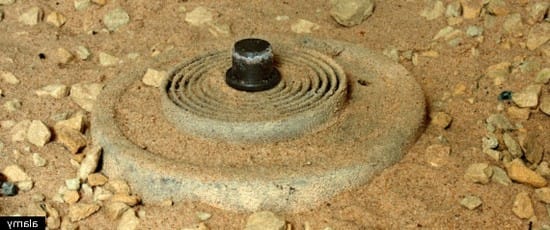
One landmine is in place for every child on earth, and children account for 40 percent of all landmine deaths or injuries--nearly 10,000 child deaths each year. Children are injured or killed by landmines as they perform their daily chores each day: collecting firewood, carrying water, foraging bullet casings for scrap metal, or grazing livestock. Due to their smaller size, children are often injured more severely than adults, and as a result, are more likely to die.


Children who survive landmines generally face a lifetime of costly medical care; for example, children who lose limbs to landmines must replace artificial limbs every six to 12 months as they grow, while adults can keep artificial limbs for three to five years. Child amputees often struggle to be accepted by their peers and to achieve self-sufficiency as adults. Even when conflicts end, landmines remain and continue to pose serious threats to children, who may be lulled into a false sense of security as the residue of unexploded ordinances and landmines are forgotten.


Protecting children from landmines can be achieved only when every country bans the use and transfer of antipersonnel landmines. Provisions for such a ban are outlined in the Ottawa Mine Ban Treaty. This treaty was signed in 1997 without the support of the United States, which withheld its support because of Pentagon fears about the lack of alternatives to landmines and a belief that in certain situations, such as on the Korean peninsula, landmines are essential to preventing invasions and protracted conflicts. The treaty became international law in March 1999.


Until landmines are universally banned, national governments and the international community should promote landmine awareness programs for children. Since the end of the conflict in Kosovo, where landmines are still found throughout the region, Save the Children has sponsored landmine awareness programs for nongovernmental organizations overseeing resettlement efforts. Save the Children is also working with communities to create children's play areas that are free of landmines. In Afghanistan, where the civil war continues, landmine education programs target children by using materials that are factual and entertaining. These programs are designed to teach children to avoid potentially dangerous territory and stay within areas known to be cleared of land mines.


Children as Soldiers


Tens of thousands of children have been used in armed conflicts, including those in Afghanistan, Angola, Cambodia, Colombia, Iraq, Lebanon, Liberia, Rwanda, Sri Lanka, Sudan, and Turkey. [6] While most of these soldiers are adolescent boys, increasingly, adolescent girls are targets, forced into servitude and sexually abused routinely by armies and militias. [7]


Children generally become soldiers by force as they are seized from streets, schools, homes, and orphanages. Army leaders often target children because they are small and quick, are easier to dominate than adults, and do not expect to be paid. In addition, many weapons, including assault rifles, are now light enough to be carried by a 10-year old; and in some countries, guns are cheaper to buy than books. [8] In Liberia, a quarter of the soldiers in the civil war throughout the 1990s were children, and the National Patriotic Front of Liberia had its own "small boys unit" for boys between the ages of 6 and 20. [9]


Other children are forced to join armies by their families' poverty. [10] Most of the children who "volunteer" to fight come from families separated by conflict or from already vulnerable groups like street children, orphans, or refugees. Joining a force may be the only way such children can survive the violence surrounding them. Armies may also offer the only food, clothing, and health care available. "Those with guns could survive," said the director of the Liberian Red Cross, explaining the large numbers of child soldiers in Liberia's civil war. [11]


Most child soldiers have witnessed acts of violence, at times against their own families or communities, and some have taken part in such acts. Children who have escaped or been rescued from lives as soldiers often tell of seeing torture or deliberate mutilations. Armies work to desensitize children to violence by exposing them to atrocities and by forcing them to join in. Children may also be beaten, raped, or drugged to comply with orders--all gross violations of internationally agreed-upon human rights. Not surprisingly, the physical and psychological damage done to child soldiers is extreme, and the effects may last the rest of their lives.


Child soldiers grow up without their families, miss out on school and play, and may end up disabled or infected with HIV or AIDS. In addition, their emotional lives are devastated, and many child soldiers have difficulty finding their families or resuming normal lives. They may continue to be violent and act out their violent tendencies. They almost inevitably suffer from severe psychosocial stress and often cannot resume their education, hold a job, or form lasting human bonds.


To prevent children from active involvement in conflicts, the use of child soldiers should be immediately banned globally. Violators should be prosecuted and punished. A new International Criminal Court, which was established under United Nations auspices in 1998, will begin operations when 60 countries have ratified the Rome Statute creating the Court and will make recruiting or using children under 15 a war crime with serious penalties.


Those children who have been conscripted into military service also need a commitment from the international community to provide them with education and vocational training, care for their psychosocial needs, and help to reunite them with their families. [12]


In the longer term, the realities that drive children into armed conflict, willingly or by coercion, need to be addressed. International organizations, governments, and nongovernmental organizations must work to reduce the root causes of violence and conflict, specifically the widespread poverty and inequality that afflict so many countries and millions of people, especially children.


Pest-conflict Stress


War changes a child's sense of values and meaning. Children witness violence, may be compelled to participate in violence, and are the victims of violence. Such violence is beyond the bounds of their normal experience, indeed beyond most human experience, and almost always leads to stress reactions. These can be severe and long-term. Among the most common stress reactions are changes in temperament, nightmares, aggressive behavior, eating disturbances, fainting, aches and pains, loss of control over their bladder or bowels, learning problems, and withdrawal from adults.


All children in conflicts are at risk of psychosocial deterioration, whether they are personally active in conflicts, as child soldiers, for example, or not. All have their daily lives and routines disrupted; schooling becomes erratic or stops altogether; their health needs often go unmet; they may be uprooted from their homes; and they may witness torture, mutilation, and death, at times of their own parents, siblings, or extended families. A 1996 survey conducted by UNICEF in Rwanda, for example, found that nearly 80 percent of children had lost immediate family members, and more than one-third of these had actually witnessed the killings. [13]


Focus on Children


Even if we can't prevent all negative consequences to children from war and other violent conflict, we can focus on children in all emergency response activities to help ensure that children's needs are addressed and to protect children from additional stresses. Two steps are critical to preventing further physical and emotional harm: distributing food to women and determining safer locations for camps.


First, the rule of thumb for the distribution of food should be: women first. In too many refugee situations, food is provided only to men, who often do not consider the needs of women and children. In such cases, it is not unusual for mothers to barter services, including sex, for food, and for malnutrition rates among refugee children to skyrocket. [14]


Moreover, for many civilians, including children, refugee camps don't provide sanctuary from the wars they fled, as we have learned from experience in recent conflicts. The camps are often highly militarized, as in Congo (formerly Zaire) in the aftermath of the Rwanda crisis. Such conditions put women and girls at high risk of violence or sexual assault, and boys of forced recruitment into conflict.


If refugee camps are used as pit stops for combatants, as in Rwanda, camps should not be located on national borders. Instead, they need to be in a more neutral area, at least 50 miles inside the host country.


Educational Needs


Child-centered relief operations also need to provide, as soon as possible, structured activities for children, including recreation, preschools, and primary schools. These offer children safe spaces--a semblance of normalcy and routine amid their otherwise chaotic lives--and can help reduce the effects of psychosocial stress. If children are playing or learning, they have less time to dwell on what they have lost, and such activities can help them regain their lives as children when they return home. Adults and adolescents, who also suffer from multiple stresses, can and should be encouraged to participate.


For example, in camps set up in Albania to deal with refugees from Kosovo, 50 percent of whom were under 18, Save the Children established a program of structured activities for children aged 3 to 18. This included preschools for children aged 3 to 5. Teachers in the refugee population were mobilized as eager partners in the project to create volley ball and soccer tournaments and creative arts workshops.


Reestablishing primary school education is also essential, within at most two or three weeks of the emergency's start, before children lose interest in learning or fall far behind in their studies. Primary school initiatives allow children to continue their studies--a normal part of childhood for most children--and increase the likelihood that they will return to school with their age group when the conflict ends. Even after conflicts are over, international agencies and nongovernmental agencies can transfer school supplies to communities that are rebuilding, to help them restart schooling as soon as possible. Education needs to be considered an essential tool of protection for children.


Despite the obvious benefits, structured activities for children's wellbeing are too often overlooked in emergencies. Planners focus on what seem like more immediate concerns such as food and shelter; and children's needs for structure, routine, and recreation are forgotten.


Framework for Action


At a bare minimum, wars complicate children's lives. They compound the stresses of growing up and deprive children of that fragile and intangible commodity: Joy. Wars also rob children of their limbs, health, psychological equilibrium, education, families, freedom, and their lives.


Children need protection from the ravages of conflict. The current framework of international human rights instruments and humanitarian laws--including the Geneva Convention and the Convention on the Rights of the Child--makes protection of children possible, even likely. What is needed is renewed or new commitments by the major actors--governments, international agencies, relief organizations, and local agencies--to make such protection real:


* The United Nations Convention on the Rights of the Child provides a set of minimum standards for childhood well-being that governments and international agencies must work harder to meet. In addition, the abuses against children that arise from conflicts--including recruitment, rape, murder, and targeting of schools and hospitals by combatants--must be acknowledged as gross violations of human rights and international humanitarian law and prosecuted as such under existing international human rights and humanitarian law. [15]


* The international community involved in providing care to those affected by war must make it clear that delivery of humanitarian aid will depend on a strong program of child protection. Aid efforts need to be planned to anticipate, avoid, and reduce further abuses to children. The international community itself needs to develop a better understanding of how the aid delivery process can be used as an instrument of protection. In this new model, emergency response techniques must include components that are based on an understanding of child development and that provide children with what they need to cope, adapt, and rebuild their lives. [16]


* When peace agreements are reached, peace-building activities must be in accord with human rights and humanitarian norms, and all those who are involved must accept and respect these standards. Children's needs must be identified explicitly as a priority in all efforts to resolve conflicts and achieve peace. Those needs must be included in demobilization agreements, observer missions to monitor progress, and the peace agreements themselves.


* All military, civilian, and peacekeeping personnel should receive training in child rights so they will understand and act on their legal responsibilities to children, including shielding children from violations.


The 21st century will not likely see the end of war. However, what must end immediately is the suffering of children caught up in the destruction of wars they did not start. Children must no longer be forced to serve as the pawns of warring factions. We need an international consensus that shielding children is the highest priority in times of war. Such a goal is within reach, but it will take commitment and action to span the gulf between the current, intolerable conditions of children swept up in violent conflict and the ideal world where children can be children, in spite of wars waged by their elders.


Charles MacCormack is president of Save the Children. The home office is in Westport, Connecticut.


NOTES


(1.) Graca Machel, Impact of Armed Conflict on Children, report prepared for the United Nations Secretary General (New York: United Nations, 1996).


(2.) Ibid.


(3.) UNICEF, State of the World's Children 1996 (New York: UNICEF, 1996); Christer Ahlstrum, Casualties of Conflict: Report for the World Campaign for the Protection of Victims of War(Uppsala, SW: Department of Peace and Conflict Research, 1991); Machel, Impact of Armed Conflict on Children.


(4.) UNICEF, State of the World's Children 1996.


(5.) Machel, Impact of Armed Conflict on Children; Save the Children, Presentation on Children in Complex Emergencies, 1999.


(6.) Machel, Impact of Armed Conflict on Children; Save the Children UK website [less than]http://www.savethechildren.org.uk/[greater than]


(7.) Machel, Impact of Armed Conflict on Children; Save the Children, Presentation on Children in Complex Emergencies.


(8.) Ibid.


(9.) UNICEF, State of the World's Children 1996.


(10.) Save the Children, Presentation on Children in Complex Emergencies.


(11.) Machel, Impact of Armed Conflict on Children; UNICEF, State of the World's Children 1996.


(12.) Save the Children, Presentation on Children in Complex Emergencies.


(13.) UNICEF, State of the World's Children 1996.


(14.) Ibid.; Rudy von Bernuth, personal communication (July 5, 1999).


(15.) Save the Children, Presentation on Children in Complex Emergencies.


(16.) Ibid.; Rudy von Bernuth, personal communication.
 
Next >

Service features

24/7 customer support

Written from scratch papers only

Any citation style

Fully referenced

Never resold papers

275 words per page Courier New font