Our benefits
Main Menu
| Home |
| Order form |
| Contact us |
| Blog |
| Home |
| Order form |
| Contact us |
| Blog |
| Canada is the world's first country to legalize marijuana for medicinal purposes |
|
Is Mary Jane really bad by NANCY BELLINGHAM
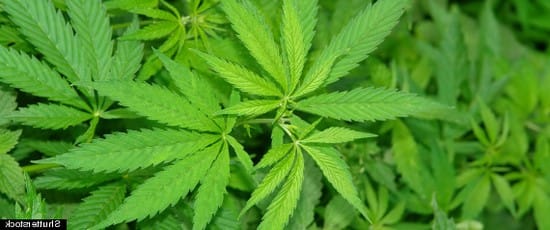
Canada is the world's first country to legalize marijuana for medicinal purposes, but neither users, doctors nor the police seem happy with the terms and conditions. Pot puffers want it legalized for recreational purposes. Others want the ban of hard drugs lifted too, claiming it's another failed prohibition, producing results similar to the failed booze prohibition of 70 years ago. What's wrong with Mary Jane? ask proponents of legalized marijuana. Everything, say the opponents. Legalization proponents proclaim its medicinal value as a pain killer; claim it's less harmful than tobacco, alcohol or any other narcotic; argue that prohibition violates personal liberty rights; and claim that prohibition not only of pot but also hard drugs costs society far too much. Opponents argue that implementing Canada's new law permitting medicinal use of marijuana will be a nightmare for doctors and police; that marijuana is a serious physical and psychological health threat; that there is no personal liberty right to ruin your life with drugs when others must pay your medical bills and other costs; that the devastating effects of hard drugs are just too great to lift prohibition and make the state complicity in their use. 10,000 years of pot Cannabis has a history linked with human civilization that dates back over 10,000 years. As recently as the 19th century doctors freely prescribed the plant to patients, and people had access to cannabis for their own use. Politics and commercial interests have played big roles in the use and control of marijuana. Until recent times, Western governments had a vested interest in the drug trade. Colonialists exploited the Chinese labourers by getting them hooked on opium. Jamaicans were found to work longer hours on ganja (cannabis), just as Peruvian slaves could do with less food thanks to coca. All governments tax narcotics of every type, and critics allege they wind up co-dependent with the subjects they fleece. Many of today's illegal drugs were patent medicines in the 19th century. Morphine and opium could be found freely available in both America and Europe; Godfrey's Cordial soothed many Victorian babies with its opium contents; cocaine was the base of remedies to the common cold; and even Queen Victoria used marijuana to ease menstrual pains. The campaign against marijuana in the 1930s is alleged to have been politically motivated. The first drug tsar, Harry Anslinger, was appointed by his wife's uncle, Andrew Mellon, U.S. treasury secretary and banker to the DuPont Company. DuPont was the producer of new synthetic fibres, competitors to traditional fibres made from hemp, the source of marijuana. Liberty and pot Pot laws are seen by advocates of legalization as infringements on personal liberty. They quote philosopher John Stuart Mill, who wrote in his famous essay On Liberty that: "The only purpose for which power can be rightfully exercised over any member of a civilized community, against his will, is to prevent harm to others. His own good, either physical or moral, is not a sufficient warrant. He cannot rightfully be compelled to do or forbear because it will be better for him to do so, because it will make him happier, because, in the opinions of others, to do would be wise, or even right. These are good reasons for remonstrating with him, or reasoning with him, or persuading him, or entreating him, but not for compelling him, or visiting him with any evil in case he do otherwise. Over himself, over his own body and mind, the individual is sovereign." Government stands aside from many activities which may endanger an individual: skydiving, owning guns, smoking cigarettes, drinking alcohol, bungee-jumping. So why not pot? But Mililived before the era of public health care. Today, if you injure yourself, you injure others too. When you wind up in hospital, other people, taxpayers, pay for your hospital and medical costs. So does that give society the right to say, ONo, you canOt do thatO? Medicinal pot On July 23, 2001, Canada became the first country to legalize the use of marijuana for medicinal purposes. It was the culmination of a series of exemptions to the Controlled Drugs and Substances Act issued by Health Minister Allan Rock permitting the medical use of marijuana under certain circumstances. On December 11, 2000, Alberta judge Darlene Acton ruled that the law prohibiting the cultivation of marijuana was unconstitutional. She said that it was OabsurdO that the federal government would allow medicinal exemptions, while maintaining the law that made it illegal to grow marijuana. Acton gave Ottawa one year to revise the Act. The new law allows doctors to prescribe marijuana to the seriously ill, and allows the patient, or a chosen representative, to grow a specific amount of marijuana to fill that prescription. Three categories of patients can apply for the use of medical cannabis, with different rules for each group. The easiest access to the drug will be given to those who are expected to die within a year. The next applicable group are those suffering from severe pain, nausea, anorexia, seizures, spasms, or weakness from specified diseases, including AIDS, cancer, multiple sclerosis and arthritis. These patients require a statement from a medical specialist that says conventional treatments have been tried and found inappropriate. The final category includes patients with medical conditions that are not specified in the new regulations. These require statements from two separate specialists. Police are not allowed to sell any seized marijuana to medicinal users, nor are pharmacists or compassion clubs to distribute cannabis to prescription holders. Patients who wish to use marijuana either have to grow it themselves, or designate a third party to grow it for them. A designated grower must have a clean criminal record, including no previous marijuana growing charges, and will not be allowed to grow for more than three different patients. This, it is said, will make the commercial cultivation of the crop uneconomic. Critics claim that obtaining prescriptions from two specialists will be difficult and time consuming. Patients must undergo twice as much testing when they are sick and need fast access to a potentially helpful medicine. By the time the new regulations came into effect, Rock had granted medicinal use exemptions to 292 people. Medical concerns Now it will be up to doctors to decide who is able to use medicinal pot, and who isnOt. The Canadian Medical Association has voiced strong objections. It says the new regulations by-pass the usual protocols of extensive pre-market testing and put patients and physicians in precarious positions. OltOs going to be difficult for us to come up with standards for prescribing it and indeed, for even deciding who should get it N and yet people will always want it, Osays CMA president Dr. Peter Barrett. Oltos going to be putting us in a very awkward position. O Barrett says many doctors will be asking such questions as O what is the effective dose? Will patients get the dose you prescribe? How do you standardize the dose?" A year-long study scheduled to start in January will examine the attributes of marijuana as a medicine. It will be led by Dr. Mark Ware of the McGill Pain Clinic at the Montreal General Hospital, with funding of $235,000 in federal grants from Health Canada. Dr. Ware had twice been rejected on applications for grants to study the effects of marijuana on pain caused by nervous system damage. Now, he says, there is "Finally, a chance to tackle cannabis as a medicine, not just something to make you giggle." Thirty-two patients who are unresponsive to alternate therapies, and are in moderate to severe chronic pain that has been caused by nerve damage will be administered the drug daily over a four-week period and will report their effects on a McGill Pain Questionnaire. Mary Walsh of the Canadian Consortium for the Investigation of Cannabinoids reports that "There is a lot of compelling data showing us that cannabinoids are very good pain drugs. However, it is surprising how few human studies have been done on these agents as good painkillers." According to Walsh, "There are only six published control trials in the world literature, and only three of them are on chronic pain... Unfortunately, they are all old and small." In the meantime doctors are concerned that there will be a flood of applications from patients -- some faking forms -- concerning the use of medicinal marijuana. Police concerns Doctors are not the only ones hesitant about the new law. Police officers are also going to have a tough job on their hands to control and enforce the new grow RULES. Staff Sergeant Matt Torigian of the Waterloo Regional Police predicts problems if police have to determine how much pot produced by a grower is actually for the patient and how much is set to be sold on the streets. Steven Bacon, who has hepatitis C, claims that any illegal dope dealer can now go out and find a sick person with aprescription, grow four times the amount of the pot needed and sell the rest. Catherine Devries, who smokes for relief from chronic pain, says, "I can't imagine what police will say to this mess. What if I propose a motorcycle gang as my designated grower? How can police stay on top of a situation like that?" Compassion clubs Non-profit "compassion clubs" in Canada's larger provide marijuana for prescriptions holders who are either unable or unwilling to grow it for themselves. Hillary Black is the founder of the Compassion Club in Vancouver, which supplies medicinal cannabis to more than 900 people. "There's such a huge need and this is happening pretty slowly, really," says Black. "I think any person that has a prescription from their doctor should be considered legal. I don't think Allan Rock is in a position to be determining who does and who doesn't need cannabis." The Vancouver club was operating long before the new law was passed, and though it has experienced police raids in the past, it plans to continue its work. The BC Marijuana Party says that it also will establish a "compassion networks" to provide pot to medicinal users. "A lot of people who are in need of medical marijuana are in wheelchairs, disabled or suffering certain levels of poverty," said Marc Emery, party president. "This will ensure they get regular, clean supplies at the most affordable price in the marketplace." The first of the networks are planned for September in Vancouver's west end, Nanaimo, Kamloops, Kelowna, and Prince George. In December, the pot party plan to expand with outlets in Prince Rupert, Fort St John, Revelstoke and Chilliwack. Patients will receive pot at a price much lower than street value, starting at $7 per gram, but will need proof in order to get involved with the club. Such proof "would be a letter from their doctor specifying marijuana is good for this patient," Emery said. "It doesn't have to be an endorsement, a recommendation, or a prescription. It just has to say they are aware that this person takes marijuana and they have no cause for alarm in that regard." Approval to get stoned Now that pot is a legal, albeit restricted medicine, the next quest is to remove restrictions on its recreational use: the right to get legally stoned. "The vast majority of these millions of marijuana smokers are good citizens who work hard, raise families, and contribute to their communities," country singer Willie Nelson declared in a series of radio commercial that ran in Alaska last November. "They are not part of the crime problem and they don't deserve to be treated like criminals." Bruce Alexander, Simon Fraser University professor of psychology, believes that UN conventions of 1988 have effectively prevented Canada from developing its own drug policy. "Canadian policy [on drugs] has simply followed the American policy, lock step, from the beginning," Dr Alexander has said. He believes that Canada, as well as the rest of the world, is under international pressure to maintain a criminal ban on possession and use of marijuana in compliance with treaties written many years ago. The proposed Free Trade Area of the Americas is expected to contain a clause re-iterating the prohibition on hard drugs. According to Alexander, the United States wants to protect its right to unilaterally determine which countries are co-operating with its own war on drugs, and which countries have unacceptable drug interdiction practices Cannabis offenders accounted for 72% of drug related crime in 1997 within Canada; cocaine accounted for 17%, and heroin, 2%. In all, the cannabis related offences totalled around 50,000, which, though it has fluctuated through the years, is the same amount as in 1974, despite population growth. By 1997 a reported 600,000 Canadians had been burdened with a criminal record due to marijuana related offences. "The minimal negative health effects of moderate use would be attested to by the estimated 1.5 million Canadians who smoke marijuana for recreational purposes," the Canadian Medical Association Journal has stated. "The real harm is the legal and social fallout. About half of all drug arrests in Canada are for simple possession. Many lead to jail terms or fines and all result in that indelible social tattoo: a criminal record." Dave Burkhart, a 22 year-member of the Royal Canadian Air Force and Canadian Armed Forces, recently wrote to Justice Minister Anne McLellan: "I want to be able to smoke marijuana in the privacy of my own home. And I don't want to have to deal with criminals to get it. Nor do I want to go to all the trouble and expense of growing the stuff for my own use." While the decriminalization of hard drugs does not seem likely any time soon, the decriminalization of marijuana appears to be drawing nearer. Politicians appear to either favour it, or are at least prepared to discuss it. "Everything I've read makes me think that decriminalizing marijuana would make a lot of sense," says NDP justice critic Howard Epstein. Last fall, Conservative leader Joe Clark told Nova Scotia voters that his short-lived government of 1979 was preparing legislation that called for the decriminalization of simple possession of marijuana. Justice Minister McLellan has said she is "quite open" to a debate on whether marijuana should be legalized or decriminalized. Groups such as the Canadian Medical Association and the Canadian Association of Chiefs of Police are also among those who have called upon Ottawa to take bolder steps in the decriminalization of cannabis for any kind of personal use. Defence attorney Alan Young argues, "Marijuana isn't highly addictive or toxic, isn't a 'gateway' to using harder drugs; it doesn't cause crime, violent behaviour or psychosis, or cause people to loose their motivation - that much the Crown conceded in the lower court case. And unless Parliament has a reasonable apprehension of harm, they can't interfere in one's autonomous decision to use marijuana." Dr. Mark Ware of Montreal's' McGill University says, "No. I don't think you'd find anybody would tell you that it was more dangerous [pot than drinking alcohol]." Bad or beneficial for your health? Although now legalized for restricted medical use, debate still rages about marijuana's physical and psychology health effects Scientific research has generally concluded that there are a variety of short term, as well as long-term problems that result from chronic use of the drug. The short-term effects of marijuana often include problems with memory and learning; distorted perception; difficulty with thinking and problem solving; loss of co-ordination; and increased heart rate, anxiety, and panic attacks. Many of these short-term effects are similar to those brought on by alcohol, while the long-term chronic effects resemble those of long-term tobacco smoking. Scientists reviewing several studies published in the British Journal of Psychiatry report that marijuana use can generate anxiety problems in individuals who do not have a mental illness, and can worsen the mental health problems of those that do have a diagnosis. Tetrahydrocannabinol (THC), the major psycho-active ingredient, can reportedly change the way that sensory information arrives at, and is acted upon, by the hippocampus, a component of the brain's limbic system th at is crucial for learning, memory, and the integration of sensory experience with emotions and motivations. Long-term use does not affect just the functioning of the brain, but is likened to tobacco smoking in its ability to cause cancer. Researchers at University of California, Los Angeles, have discovered THC may impair the body's anti-tumour immunity system. This appears to mean that constant daily use of marijuana over a long time may suppress the body's natural ability to fight cancers and infections. A recent study from Memorial Sloan-Kettering Cancer Centre in New York City suggests that chronic pot smoking make the body more susceptible to developing head and neck cancers specifically, and that the increased risk is two to three fold. Marijuana smoking also has been found to deposit up to four times as much tar in a person's respiratory tract as a comparable amount of tobacco smoke. That tar also contains higher concentrations of carcinogenic hydrocarbons, a key factor in promoting human lung cancer. But where a marijuana smoker may smoke one joint a day, a tobacco smoker may smoke 20 cigarettes. Regardless of the THC levels, the amount of tar inhaled by marijuana smokers and the level of carbon monoxide absorbed are three to five times greater than among cigarette smokers. This may be due to marijuana smokers inhaling more deeply, and holding the smoke inside the lungs for a longer period of time. An Australian study of users who smoked daily for an average of 17 years found that 60% had chronic inflammatory lung conditions, which is exactly the type of problem found with cigarette smokers. However, while some studies suggest that chronic pot smokers are more prone to developing pneumonia, they don't--unlike nicotine smokers -- seem to be at any greater risk of developing emphysema, a debilitating lung disorder. Studies have mainly involved long-term constant pot smokers, with few studies of occasional long-term use. Dr. Harold Kalant of the University of Toronto's pharmacology department, an expert on illegal drugs and drug control policy, says "Marijuana isn't totally harmless. No drug is." But "clearly it's the heavy, habitual smoker who is more at risk," says Dr. Donald Tashkin, a leading lung specialist who teaches in UCLA's medical school. The Lancet, a British medical journal, claims, "It would be reasonable to judge cannabis less of a threat than alcohol or tobacco... On the medical evidence available, moderate indulgence in cannabis has little ill-effect on health." The molecule THC is the most potent of the plant's 400-plus chemical makeup and has received the vast majority of scientific scrutiny. In pill form THC has been shown to reduce nausea, increase appetite, and ease pain. But the pill, called Marinol, takes hours to have an effect, and the high can be disturbing, intense and long lasting. Synthetic users also report that they feel more anxious than smokers of the drug do, which may be due to the absence of cannabinoids other than THC in the pill. The argument for smoking over taking a pill is that it delivers relief immediately, and the dosage is much easier to control. Many users believe that the drug works best just as nature grows it. There are other health benefits that have been attributed to cannabis as well. Donald Abrams of the University of California at San Francisco has found male AIDS patients who smoked three times a day for 21 days maintained robust immune systems and gained more weight than did patients on a placebo. Supporters of such research say that isolated THC is less effective than the whole plant, and that low doses do not pose serious risks of lung cancer. National Institute of Health investigators reported in the Proceedings of the National Academy of Science that THC and cannabidol serve as powerful antioxidants. When tested on laboratory rat nerve cells, the compounds can prevent the toxic effects of excess glutamate, which can kill brain cells after a stroke. This finding means that marijuana may in some cases actually help to protect brain cells. Simon Fraser's Professor Alexander says research has proven cannabis is no more addictive than many other vices in life, including gambling, alcohol and even sex. In a study reported in The New York Times, Philip J. Hilts lists marijuana as the least dependence-producing drug in a list including nicotine, heroin, cocaine, alcohol, and caffeine. Marijuana was found to rank the least serious in a variety of categories, which included withdrawal, reinforcement, tolerance, and ependence, and came up as moderate under the heading intoxication. These measures were compiled and tested by Dr. Jack E. Henning field of the National Institute of Drug Abuse and Dr. Neal L Benowitz of the University of California at San Francisco. Defence attorney Alan Young claims, "Whatever evidence there is of harm is so inconsequential that it is not worthy of criminal law attention. This substance has been called by learned academics, scientists and jurists as one of the safest drugs in the history of mankind." It has been noted that a lab rat may be killed with sugar, but not marijuana. Are kids going to pot? Dr Herbert Kleber, a professor of psychiatry at Columbia University and medical director of the U.S. National Centre on Addiction and Substance Abuse, believes that legalizing marijuana for adults would make it more accessible to kids. It's expected that legalization would sharply cut the price, making it more affordable even for pre-teeners. It might be more easily accessible: no more dealing in dark alleys with criminal strangers. There would be little social stigma attached to pot smoking. And some would be less hesitant to try it if there was no risk of a jail term or a criminal record. In a recent study of 11,000 youth aged 11 to 15 (Trends in the Health of Canadian Youth), 44% of the boys and 41% of the girls said they had used marijuana three or more times by grade 10; 90% of those who smoked cigarettes daily also used marijuana. In the United States, despite very severe laws, half the population under age 40 is thought to have tried marijuana; almost one-third of those over 12 says they have; and almost one-in-ten (26.2 million) within the past year. A study at John Hopkins University reports that those who drink and smoke in their early teens are disproportionately likely to progress to marijuana But while alcohol and cigarettes are a "gateway" to the use of cannabis, the report says that marijuana is not in turn a gateway to harder drugs. The war on drugs Throughout the world police have a difficult time controlling the drug trade, especially such hard drugs as cocaine and heroin. One report estimates that 20% of Mexico's law enforcement people are in the pay of drug gangs, but a captured drug dealer claims the figure is closer to 80%. Police officers in Canada, too, have been charged with drug trafficking, and there can be little doubt that at least some of them are exposed to bribes and to threats to themselves and their families. Much more contentious that marijuana is the thought of legalizing hard drugs, a prospect that stirs widespread moral outrage. Cocaine alone is an estimated $US350 billion global industry, bigger than alcohol ($252 billion) and tobacco ($204 billion). Criminals take all the profit and build private armies to compete in ever more violent drug wars. If nothing else, legalization would be a huge source of tax revenue. The prohibition of drugs has been likened to the 13-year U.S. prohibition of alcohol in the 1920s and 30s. That led to greatly increased booze prices, promoted criminal bootleg suppliers, encouraged the spread of guns and crime, increased the consumption of hard liquor, decreased beer consumption, and by some accounts corrupted at least a quarter of the federal enforcement agents within a decade. Hard drugs are generally considered more deleterious than booze, and the newest drug on the hit parade might be the worst. Methamphetamine is reportedly the fastest growing illegal drug in Canada, the United States, and parts of Europe. Meth is a highly addictive stimulant that Barry McCaffery, former U.S. federal drug tsar has called "the worst drug that has ever hit America." The New York Times reported in May that law enforcement agencies were shutting down laboratories at a rate offive a day, just in California, but the amount seized was estimated at only a tenth of the meth produced in that state. The United States pumps billions of dollars into its "war on drugs," but hardly makes a dent in production, distribution, or addiction rates. The answer that many advocate is to focus on reducing demand instead of trying to battle the endless supply. In a referendum last year, California voters endorsed the idea of sending first- and second-time drug offenders for treatment instead of to prison. But of the $US20 billion spent each year on the war on drugs, just 20% is spent on prevention and rehabilitation. More than one in ten of all arrests in the United States (1.5 million in 1999) are for drug offences. About 40% of these are for possession of marijuana, with a record 220,000 teens arrested for drug offences in 1997. "Many of those arrested receive mandatory minimum sentences of five to 10 years for possession of a few grams of drugs, a dire punishment rushed through Congress in 1988 amid hysteria about crack cocaine," in the opinion of The Economist magazine. Critics also see racism in the U.S. drug arrests. Most cocaine users are white, but 90% of crack defendants in the U.S. federal courts are black or Hispanic. The Sentencing Project, a group that lobbies for criminal justice reform, says that African Americans account for 13% of monthly drug users; 35% of those arrested for possession of drugs; 55% of those convicted; and 74% of those sentenced to prison. There are more American black men in prison than in college. Most come from low income families. A criminal record condemns many of these to continued poverty and crime. The drug trade is one of the few equal opportunity employers available to black men with criminal records. Foreign warfare Much of the U.S. drug war is fought in Latin America, with campaigns against supplies from Bolivia, Peru, Mexico, and Colombia. The most aggressive of these is currently directed towards Columbia and the coca leaf. Colombia, with a population of 40 million, produces about 80% of the world's cocaine. "The turf battles in cocas regions caused 350,000 people to abandon their homes last year," Victor Ricardo, Colombia's ambassador to the United States, states in a published interview. "The violence and Colombia's bitter economic depression combined to cause another 350,000 to leave the country altogether. "We accept that Colombia has a problem with the production and trade of illicit drugs, but we demand that the entire picture is analyzed. There is a demand, and that demand is not in Colombia." The Colombia campaign focuses on the destruction of coca crops. Between 1992 and 1998, the United States funded the destruction of 140,000 hectares of crop, but the production of coca trebled. Now, at a cost of $US1.3 billion, the United States has shipped 60 Black Hawk helicopter gun ships, 300 troops and innumerable spies to Colombia in the effort to choke off the supply. Colombia pilots flying American-supplied aircraft have sprayed 86,000 acres of cocoa plants with a deadly herbicide, destroying almost 25% of the country's crops. The defoliant, Glyphosate, has been called a new agent orange. It kills all vegetation; it has also killed chickens and caused the birth of hairless calves. The U.S. campaign in Colombia "will heat up the level of violence," predicts Judith Teichman, University of Toronto political science professor and an expert on the region. "The producers will simply put more resources into corruption, violence, and private armies." Teichman advocates alternative crops. So does the Canadian government, which has budgeted $80 million in aid to Colombia to help displaced people and promote human rights. But it's difficult to sway farmers to change from a lucrative crop to appease the troubles and morals of a wealthy nation. Sources "Alberta Court Postpones Drug Trial to Allow Pot Activist to Apply for Exemption." Canadian Press, March 16, 2001. Armstrong, Sally. "Our Man in Bogota: Ambassador Guillermo Rischynski is Trying a Different Approach to Colombia's Drug Problem." Maclean's, June 4, 2001. "Atlantic Health Ministers Get Chocked Up When Asked About Canadian PotLaws." Canadian Press, June 5, 2001. "BC Marijuana Party's Compassion Club to Distribute Medicinal Marijuana." Canadian Press, May 29, 2001. Burkhart, Dave. "Make it Legal for Me to Buy and Smoke Marijuana in my Home." Ottawa Citizen April 27, 2001. Caldwell, Christopher. "The Opiates of the Masses -- and the War They've Provoked." Wall Street Journal, March 14,. 2001. "Call of the Andes." New York Times Magazine, April 30, 2000. "Cannabis Offences Most Common Drug Offence." Canadian Social Trends Fall 1999: (54), 17. Cheadle, Bruce. "Rock Approves Pot Use for 14 More." Canadian Press, October 5, 1999. "Clark Advocates Decriminalizing Pot." Toronto Star, May 23, 2001. Cotter, John. "Rock Goes Underground to Admire First Pot Garden." Globe & Mail, August 3, 2001. "Doctors Prefer Synthetics to Medicinal Marijuana, Montreal trial Told." Canadian Press, March 15, 2001. "Drive-Thru Highs." Wall Street Journal, May 9,2001. Fidelman, Charlie. "Study Examines Marijuana's Effect on Pain." National Post, July 26, 2001. "First, Inhale Deeply." The Economist, September 2,. 2000. "Hamm Approves of Medical Marijuana." Canadian Press, October 8, 1999. "Harmless Fun or a True Health Hazard?" Canadian Press, 31 May 31 2001. "Highlights of the Study Trends in the Health of Canadian Youth." Canadian Press, October 7, 1999. "Hep C Patient Goes to Court to Force Health Canada to Fill Pot Prescription." Canadian Press, April 2, 2001. "International Treaties are Blamed for Rigid Laws on Use of Marijuana." Canadian Press, April 23, 2001. "Is Grass a Proven Tonic?" U.S .News & World Report, May 28,2001. Johnson, Boris. "A Stupid War." The Spectator Sept. 2000. Leblanc, Daniel. "Health Canada to Study Marijuana as Painkiller." Globe & Mail, July 26,2001. MacAfee, Michelle. "Canadians Divided on Legalization of Marijuana, a New Opinion Poll Suggests." Canadian Press, June 24, 2001. "Marijuana." National Institute on Drug Abuse. March 1,1999. Pamphlet. "Marijuana May Have Mental Health Effects." Alcoholism & Drug Abuse Weekly, February 19,. 2001. "Marijuana Raises Cancer Risks." Vibrant Life, November 2000. "Marijuana Rules to Ease." Ottawa Letter, April 24, 2001. Naumetz, Tim. "Decriminalize Cannabis Use, Experts Urge." Ottawa Citizen, April 24,2001. Nieves, Evelyn. "California's Methamphetamine Labs Stay Step Ahead of Busy Law Enforcement." New York Times, May 13, 2001. Nieves, Evelyn. "Illicit Drug Labs Grow in Fertile California Valley." New York Times, May 13, 2001. "Ottawa's Medical Marijuana Plans Won't Help, Medicinal Users Say." Canadian Press, April 4, 2001. "Ottawa Proposes Regulations Covering Medical Use of Marijuana." Canadian Press, April 6,2001. Phillips, Andrew. "The Marijuana Mess." Maclean's, November 22, 1999. "Pot Growing AIDS Patient Raided Again as Police Find 199 Plants in Ont. Home." Toronto Star, April 20, 2001. "Pot Smoking Legal Monday." Okanagan, July 28, 2001. "Proposed Regulations for Pot Put Doctors in an Awkward Position." Canadian Press, May 7,2001. "'Right to Grow' Marijuana in Canada." The Lancet. December 23, 2000. Shaw, Hollie. "Pot Less Toxic Than Many Foods, Lawyer Tells Appeal Court." Canadian Press, October 6, 1999. Shaw, Hollie. "Pot Too Mild to be Criminal, Lawyer Argues." Canadian Press, October 5, 1999. Sheldon. Tony. "Cannabis Use Falls Among Dutch Youth." British Medical Journal, September 6, 2000. Stix, Gary. "Herb Remedy." Scientific American, Spring 1998. "Survey of Illicit Drugs." The Economist, July 28, 2001. Verhovek Sam Howe. " What is the Matter With Mary Jane?" New York Times, October 15,2000. Wilson, G. Terence et al. "Abnormal Psychology: Integrating Perspectives." Toronto: Allyn & Bacon, 1996, p284. |
| Next > |
|---|