Our benefits
Main Menu
| Home |
| Order form |
| Contact us |
| Blog |
| Home |
| Order form |
| Contact us |
| Blog |
| Toward a Positive Perspective on Violence Prevention in Schools: Building Connections |
|
Toward a Positive Perspective on Violence Prevention in Schools: Building Connections. by Douglas C. Smith , Daya S. Sandhu
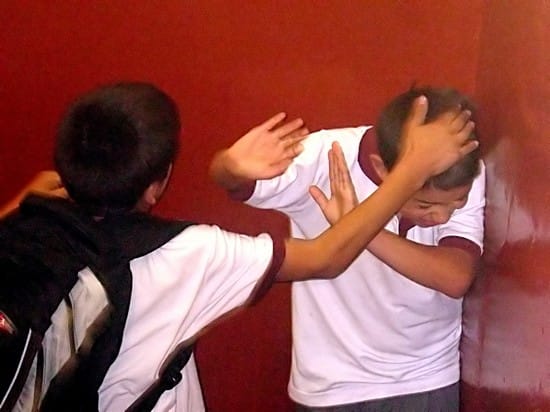
Over the past decade, society has witnessed an outbreak of school violence, both in the United States and in other countries, that has altered the perception of safety previously thought to exist on school campuses. Although serious acts of violence on school grounds are still exceedingly rare (Brooks, Schiraldi, & Ziedenberg, 2000; Donohue, Schiraldi, & Ziedenberg, 1998; Kachur et al., 1996), the notoriety attracted by such events raises widespread concern. Much more prevalent, however, are relatively "low level" aggressive and antisocial behaviors including teasing, fighting, name calling, ridiculing, threatening, and other forms of intimidation and harassment. These behaviors occur at an alarmingly high rate at all grade levels, although they appear to increase in severity during the middle school years (Heaviside, Rowand, Williams, & Farris, 1998; Nansel et al., 2001) As many as 75% of adolescents, for example, indicate that they have been bullied at some time in school, and 10% to 15% are bullied on a regular basis (Banks, 1997). In addition, recent data from the Youth Risk Behavior Survey (YRBS; Kann et al., 2000) indicated that approximately 14% of secondary level students admitted being in a physical fight on school property during the past 12 months; 7% had carried a weapon such as a gun, knife, or club to school in the past 30 days; 8% had been threatened or injured with a weapon on school property; and more than 5% expressed that they felt "too unsafe" to go to school. In an effort to stem the rising tide of violence, many schools have instituted policies designed to deter antisocial behaviors (Skiba & Peterson, 1999; Walker et al., 1996). These include use of metal detectors, security guards and surveillance cameras, dress codes, "zero tolerance" policies resulting in suspension or expulsion for certain classes of aggressive or threatening behavior, strategies for identifying or "profiling" students most likely to commit violent acts, and use of strong disciplinary tactics in response to disruptive behaviors. Although the intent of such policies is to make a strong statement against any form of violence on school grounds, the emphasis in most cases is punitive rather than edifying. Most of these approaches are problem focused in that they target negative behaviors as opposed to building alternative prosocial skills. In addition, the majority of these strategies are reactive, in the sense that they occur in response to undesirable behavior, rather than proactively operating to prevent the occurrence of such behaviors. A POSITIVE APPROACH TO THE PREVENTION OF VIOLENCE AT SCHOOL In contrast to the aforementioned approach, a positive approach to the prevention of violent behavior at school focuses on building a set of social and emotional strengths that are incompatible with antisocial behavior. These include developing emotional literacy skills, such as empathy and respect for the rights of others; boosting resiliency factors, such as self-esteem and academic success; and establishing a high degree of "connectedness" between students and their families, peers, schools, and communities (Cowen, Wyman, Work, & Iker, 1995; Elias et al., 1994; Weissberg & Greenberg, 1998). Unlike traditional problem-focused approaches, the positive approach to school violence is preventive, solution-driven, and systemic in its efforts. Its goal is to enhance the overall well-being of students and others in the context of schooling. The impetus for a positive approach to prevention of violence in schools draws upon a model of human functioning that, rather than attempting to repair psychological disease and dysfunction, attempts to promote optimal levels of development (see Seligman & Csikszentmihalyi, 2000, for a more detailed discussion of a positive approach to counseling). In short, a positive approach is primarily involved with the facilitation of psychological health and well-being. Regarding prevention of school violence, a positive approach engenders development of prosocial interpersonal skills and such noble personal qualities as wisdom, courage, altruism, civility, and tolerance for the views of others. CONCEPT OF CONNECTEDNESS Although positive approaches to prevention of violent behavior in schools can take many forms and occur across multiple settings, a common theme is establishing a sense of connectedness between youth and elements of their environment including peers, family, school, and community (Catalano & Hawkins, 1996; R.W. Larson, 2000). A growing body of research indicates that youth who feel nurtured, supported, and accepted within these contexts are more likely to report subjective feelings of happiness and well-being, greater levels of commitment, and better performance in school (e.g., Miller, Brehm, & Whitehouse, S., 1998; Resnick et al., 1997). Moreover, such youth are less likely to engage in negative, antisocial behaviors at school and more likely to engage in cooperative, helpful, and prosocial actions (O'Donnell, Hawkins, &Abbott, 1995; C.A. Smith, Lizotte, Thornberry, & Krohen, 1996). On the other hand, youth who are disconnected from family, peers, and social institutions, including schools, are at risk for a variety of negative social and behavioral outcomes, including participation in serious antisocial activities (Lipsey & Derzon, 1998). Studies of risk factors of students involved in school shootings, for example, point to a sense of alienation from family and peers and a lack of bonding to school as key predictors of violence potential (Borum, 2000; Dwyer, Osher, & Warger, 1998). Connectedness is also an important aspect of resiliency. Students who feel connected to family, peers, school, and community experience greater levels of support and are better able to cope with a wide range of adverse conditions, including those that promote the development of antisocial behavior (Catalano & Hawkins, 1996; Furlong, Pavelski, & Saxton, 2002). In the following sections, we provide an overview of connectedness across several contexts and the role of school staff, particularly counselors, in fostering these connections. Building Connections With Family An increasing body of literature emphasizes the important role that attachment to family plays in the prevention of antisocial behavior (see Lyons-Ruth, 1996, for a review). Children who experience secure, meaningful attachments to caretakers are generally better adjusted and are less likely to engage in troublesome and problematic behavior, both in and out of school (Ainsworth, 1985; C.A. Smith et al., 1996). Conversely, caretaker-child interactions characterized by lack of responsiveness, inconsistency, hostility, and rejection are important aspects of a developmental trajectory leading to early onset of antisocial behavior (Greenberg, Speltz, & DeKlyen, 1993). Although schools are unlikely to play a major role in parent-child attachments during the critical early childhood years, their contributions to ongoing parent-child relationships cannot be underestimated. Schools are potentially the most important resource for parent education leading to more positive connections between children and family members. It is important for parents and other family members to develop numerous skills to promote prosocial behavior. We recommend that schools take a more active role in helping parents establish positive connections with their children. Parent- and family-based interventions. These approaches focus on helping parents to develop better communication and conflict resolution skills and also educate parents about child development and factors that may contribute to violent behavior (United States Departments of Education and Justice, 2000). Research indicates that the earlier these family-based interventions begin, the more effective they are in reducing aggression and other forms of antisocial behavior (Dunst, Trivette, & Deal, 1994; Webster-Stratton & Hancock, 1998). Successful family-based interventions are individualized, culturally sensitive, home-based, and involve parents directly in planning goals and establishing appropriate responses to children's transgressions (Eron, Gentry, & Schlegel, 1994). Not only are these programs successful in reducing parent--child conflicts, they also increase parents' sense of control and feelings of efficacy (Webster-Stratton & Hancock, 1998). One model program developed by Patterson, Reid, and Dishion (1992) teaches parents prosocial behaviors, alternatives to aggression as a discipline strategy, and problem-solving skills. In addition, parents are taught to nurture and communicate effectively with children, to establish and negotiate family rules and consequences, and to reward prosocial behavior. The model has been shown to be effective in reducing family conflict and increasing a sense of family unity (Reid, Patterson, & Snyder, 2002). Long-term effects include a stronger sense of connectedness among family members with a greater likelihood of positive social interactions. Parents as emotional coaches. John Gottman and colleagues (Gottman & DeClaire, 1997; Gottman, Katz, & Hooven, 1996) have written extensively about the advantages of training parents as emotional coaches for their children. Emotional coaches are empathetic and accepting of their children's negative emotions but guide children in generating and choosing positive response strategies while setting limits for acceptable behavior. According to Gottman and DeClaire, an emotional coach is one who, rather than ignoring or discouraging negative emotional reactions such as anger or unhappiness, views the enactment of such emotions as opportunities for the child to develop a deeper understanding of self and others, particularly regarding these potentially troubling feelings. Emotional coaches directly assist their children in exploring and discussing negative emotions, and at the same time, insist on socially appropriate expression of such feelings. Longitudinal studies of emotional coaching patterns within families (see Gottman et al., 1996, for a review) indicate that children whose parents consistently use such strategies are happier, healthier, and better adjusted than children whose parents are emotionally aloof, indifferent, or uninvolved. Furthermore, emotionally coached children appear to be more proficient in the critical skill of self-regulation, which allows them to cope more effectively with a wide range of challenges, including family discord and transition. Building Connections With Peers Friendships are an important source of support and nurturance for both children and adults. Students who are well liked by peers are happier at school, better adjusted both psychologically and emotionally, and considerably less likely to engage in aggressive and violent behaviors (Elias et al., 1994; Eron et al., 1994). On the other hand, children who are isolated or rejected by peers suffer loss of self-esteem and other emotional distress, tend to dislike school, and are at risk for a wide range of destructive personal and interpersonal outcomes including substance abuse, gang involvement, teen pregnancy, and violence at school (Doll, 1996). It is apparent that developing and maintaining effective, rewarding relationships with peers is a critical aspect of violence prevention. In a comprehensive review of prevention strategies designed to enhance social and emotional competence, Weissberg and Greenberg (1998) discussed a range of competence-enhancement strategies for elementary age students. The major goal of such programs is "to teach children to make use of both personal and environmental resources to achieve prosocial goals" (p. 890). Because specific acts of aggression are viewed primarily as learned behaviors, they can be unlearned and thus prevented by acquisition of more prosocial and positive behaviors. Hawkins, Catalano, Kosterman, Abbot, and Hill (1999) suggested that healthy bonding of children to adults, peers, and institutions that promote healthy beliefs and prosocial attitudes is likely to result in adoption of similar beliefs and attitudes. There is growing national support for comprehensive (kindergarten through Grade 12) health education that (a) emphasizes personal and social skills training; (b) promotes positive social values and health attitudes; and (c) provides honest, relevant information about health issues including violence (National Center for Health Education, 1997). Strategies that increase the probability of positive prosocial interactions with peers can be loosely grouped under the categories of emotional literacy and cognitive-behavioral skills training. Emotional literacy. Daniel Goleman's (1995) book Emotional Intelligence: Why It Can Matter More Than IQ popularized the notion that one's emotional reasoning may be equal to or more important than intelligence per se as a predictor of life success. There is now compelling evidence that emotional competence is indeed related to a range of positive outcomes both at school and in the larger community, including friendships, social status, and achievement (Elias et al., 1994; Weissberg & Greenberg, 1998). More important, emotional competence is also generally regarded as a significant protective factor and deterrent to violent behavior at school (Miller et al., 1998). Goleman (1995) and others (e.g., Salovey & Mayer, 1990) have identified at least five domains of emotional competence important to overall functioning and success. The first and most basic, self-awareness, refers to the ability to recognize and identify internal feeling states such as anger, disappointment, fear, and exhilaration. Closely related, but at a higher developmental level, is awareness of others, including such skills as empathy, or understanding others' feelings, and role taking, or understanding others' points of view. Both self-awareness and awareness of others are critical to positive interactions with peers, resolving interpersonal conflicts, and, ultimately, preventing and reducing the likelihood of aggression as well as serious acts of violence at school. The third domain, managing one's emotions, refers to the ability to regulate and control potentially troublesome emotions, such as frustration, resentment, guilt, and despair. One such emotion that has been the subject of numerous school-based intervention projects is anger. Anger management and regulation is an important skill in reducing violence potential at school (see D. C. Smith, Larson, DeBaryshe, & Salzman, 2000, for a review of anger management strategies with youth). The fourth domain, motivating oneself, has particular relevance for school. Students who have the ability and skill to motivate themselves academically, both extrinsically and intrinsically, are likely to view school as a positive experience, are less likely to engage in problematic or antisocial behaviors, and generally perform at higher levels than their counterparts (Resnick et al., 1997). Finally, negotiating/resolving conflicts, the fifth domain, is a critical skill for reducing the probability of violent behavior at school (Johnson & Johnson, 1996; Tolan & Guerra, 1994). If disagreements, grievances, and other relatively minor conflicts can be resolved effectively, it is unlikely that these events will lead to aggressive/violent confrontations. Negotiation/conflict resolution builds upon a number of more fundamental interpersonal skills including cooperation, problem solving, and empathy. Cognitive-behavioral skills training. Cognitive-behavioral skills training focuses on helping children analyze and respond to challenging peer situations. Two major focal points of these efforts have been on impulse control and social problem solving. Phillip Kendall (Kendall, 1991; Kendall & Braswell, 1993) has conducted extensive research on the role of impulsivity in children's aggressive behavior. As a group, aggressive children tend not to think through the consequences of their behavior prior to acting. On the basis of these findings, Kendall and colleagues designed a series of activities to teach children self-control through verbal self-instruction (e.g., "What am I supposed to do?" and "How am I doing?"). These efforts are geared toward helping children restrain the tendency to respond without reflecting on the situation at hand. Evaluation of this and similar programs suggests that impulse control is an acquired skill and can be an important deterrent to aggression (J. D. Larson, 1992; S.W. Smith, Siegal, Conner, & Thomas, 1994). Nowhere is the link between impulsivity and aggressive behavior more evident than in the experience and expression of anger. School- and clinic-based anger management programs for children have proliferated in recent years. Because anger is conceptualized as a multidimensional construct that includes affective, cognitive, and behavioral dimensions, most of these programs have multiple prevention and treatment components. In a review of anger management programs for youth, D. C. Smith et al. (2000) found that the most successful programs included emotion-focused strategies such as relaxation, increased self-awareness, and awareness of the feelings of others; cognitive strategies, such as problem solving and self-regulation; and behavioral strategies, such as developing specific skills in communication and assertiveness. In addition, successful interventions included clear efforts to encourage maintenance and generalization of skills outside the classroom or training setting. As a group, school- and clinic-based anger management programs for youth appear to exert a strong influence on the control and regulation of aggressive behavior (D. C. Smith et al., 2000). Social problem-solving training is designed to help students recognize interpersonal conflict situations, increase their repertoire of problem-solving strategies, analyze and evaluate the consequences of various actions, and select and implement socially appropriate solutions (Goldstein, 1999). Most programs use modeling, role-playing, and didactic teaching methods to teach problem-solving skills. The goal of such programs is to build positive peer relations by helping children learn to avoid interpersonal conflict and to handle those conflicts that are unavoidable in nonviolent, socially appropriate ways. One of the best known social problem-solving programs for young children is I Can Problem Solve: An Interpersonal Cognitive Problem-Solving Program (Shure, 1992). A related program based on an information-processing model is the BrainPower Program (Hudley, 1994), which is designed to change hostile attributional biases among aggressive children. Evaluation of this program indicated increased self-control and fewer judgments of hostile intent in a sample of third- to sixth-grade boys (Hudley et al., 1998). Building Connections With School A growing body of research supports the notion that students who are connected to school through involvement in school activities, who perceive school as meaningful and their teachers as supportive, and who experience a sense of pride and satisfaction regarding school are less inclined toward negative and destructive behaviors including aggression (McNeely, Nonnemaker, & Blum, 2002; Miller et al., 1998). The document Safeguarding Our Children: An Action Guide, produced by the United States Departments of Education and Justice (2000), outlined four key components of schools that are safe and responsive to all children. These are the following: 1. Creating a caring school community where all members feel safe, connected, and supported 2. Teaching appropriate social behaviors including problem-solving skills 3. Implementing positive behavior supports 4. Providing appropriate academic instruction The first three components listed above are directly relevant to the content of this article and warrant further discussion. A caring school community is one in which supportive relationships are established between students, faculty, and staff. Such relationships allow all members of the school community to experience a sense of belonging, attachment, and pride. Schools can facilitate caring relationships by organizing the environment in such a way that positive social interactions are likely to occur, for example, by creating small communities of learners within the school or by establishing cooperative groups (e.g., learning groups that require cooperation among members in order to achieve desired outcomes) within the classroom. Positive social interactions not only build a sense of community within the school but also evoke a sense of attachment and belonging. Students who perceive themselves as being treated respectfully by others appear to be happier at school, more satisfied with their experience, and generally willing to work harder to achieve their goals (Resnick et al., 1997). Teachers, counselors, and school administrators play an important role in this process by treating students fairly and with dignity and respect. An environment that provides positive behavioral support can foster student connections to school. Prevention of aggressive and antisocial behavior at school begins by establishing a school climate fostering respect for the rights of others, positive social relationships, and peaceful resolution of interpersonal conflict. Positive conflict resolution becomes an affirmed norm of the school (Furlong et al., 2002). By establishing school norms supporting positive conflict resolution and prosocial actions toward others, schools not only reduce the occurrence of behavior running contrary to these norms but also influence the level of cohesiveness and bonding between students, teachers, and staff. In addition, we believe that schools must provide the level of support necessary to allow all children to behave according to these norms. One obvious aspect of the school environment is the disciplinary system in place and related procedures for influencing interpersonal behavior. Effective disciplinary systems are simple, schoolwide, proactive, and positive (United States Departments of Education and Justice, 2000). Such a system ensures consistency of expectations and follow-through. Positive supports for expected behavior (e.g., teaching desired behaviors) are more effective than reactive approaches emphasizing punishment. In addition, incentives for prosocial behaviors and consequences for antisocial actions should be clear and understandable to all. In addition to establishing a positive school climate, schools in which students are connected also take deliberate steps to create a comfortable and harmonious physical environment. This may take the form of frequent monitoring and supervision of known "hot spots," such as bathrooms and hallways in which trouble is likely to occur (J. D. Larson, Smith, & Furlong, 2002). Schools may then take steps to reduce the sheer volume of students in hallways, lunchrooms, restrooms, and other potentially troublesome areas by staggering student schedules. In addition, schools can reduce the likelihood of violent behavior by creating a more attractive and nurturing physical environment, which also creates a safer, more welcoming atmosphere (Stephens, 1994). The Resolving Conflict Creatively Program (DeJong, 1999) is one example of an ecological approach that incorporates a classroom and schoolwide value system of nonviolence. Another example is the Peacemakers Program (Johnson & Johnson, 2000), for students in Grades 4 to 8, that incorporates a violence prevention curriculum in the classroom and seeks to infuse a nonviolence ethic into the entire school culture. Evaluation of this program with 1,400 students in Cleveland indicated significant decreases in aggressive incidents and subsequent disciplinary actions. More work is needed to determine the long-term effects of such ecological interventions and their applicability to students from varying backgrounds, cultures, and ethnic groups. THE ROLE OF COUNSELORS IN BUILDING CONNECTIONS Reducing risk and building resiliency are two sides of the same coin. Counselors play an important role in both. By actively seeking to address the social and emotional needs of at-risk students, counselors can prevent the development of further antisocial behaviors along a predictable developmental trajectory. Counselors can work proactively in at least three ways. One, counselors can play an important role in establishing a climate of respect within the school. Given their background and training, counselors can be influential in establishing a developmental-based norm for prosocial and respectful behavior. Two, counselors can work directly with teachers and students in developing emotional literacy skills. This may include running social skills groups for students identified as lacking skills but, more important, may involve consultation with teachers intent on enhancing social development of all students within their classrooms. Third, counselors, in their role as mental health consultants, can assist parents in communicating more effectively with their children, modeling prosocial skills, and resolving conflicts effectively while helping parents to maintain a sense of connectedness with their children. CLOSING REMARKS Given the multiple pathways through which aggressive and violent behavior develops in youth and the many factors that contribute both to its inhibition and disinhibition, effective school-based strategies must necessarily be comprehensive, broadly applied, and developmentally focused. As this review article reveals, it appears that prevention efforts meeting these criteria tend to include multiple components such as individual skill building, parent education, and environmental and ecological reorganization. To be optimally effective, these efforts must occur across multiple contexts including school, home, and community. Longitudinal research clearly indicates that, left undeterred, aggressive behavior in early childhood often continues unabated into later stages of childhood, adolescence, and beyond (Loeber & Hay, 1997; Loeber & Stouthamer-Loeber, 1998; Patterson, DeBaryshe, & Ramsey, 1989). The more serious the form of early aggression, the more likely this pattern will occur (Loeber & Stouthamer-Loeber, 1998). What then can be done to prevent the formation of early patterns of aggressive behavior in childhood? A review of research in this area suggests a number of principles that should be considered "best practices" for prevention of aggressive behavior during childhood. First, and most important, prevention efforts must begin early and include multiple components delivered across multiple settings (minimally the home and school). In the home setting, early intervention means implementing programs that engage parents in their child's education at as early a date as possible. These programs should provide the context in which to disseminate effective parenting skills to all and to focus attention on parents who may be locked in a cycle of coercive child disciplinary practices. At the school level, early intervention means targeting low levels of aggressive behavior, such as teasing and bullying, and simultaneously establishing a school climate that reinforces positive social behaviors. At the family level, parent education and training focused on improving communication skills and fostering authoritative parenting styles appear to offer considerable promise (Patterson et al., 1992). Programs that are culturally sensitive and model alternatives to authoritarian discipline practices at home have the greatest potential to reinforce the long-term reduction of a child's violent behaviors. At the individual level, available data suggest that cognitive-behavioral strategies offer the most promise with specific training in impulse control and interpersonal problem solving receiving the most empirical support (D. C. Smith et al., 2000). Anger management appears to be a particularly fruitful intervention direction within the broader context of cognitive-behavioral treatment. Such programs should seek to prevent and/or reduce the occurrence of aggressive behavior by teaching children to recognize and use internal cues, develop a more reflective problem-solving style, and promote usage of alternatives to aggression. Given the pervasiveness of aggression in the typical school, comprehensive aggression management programs should be made a key component of all student support services plans. Finally, successful prevention of school violence means not only seeking to reduce negative affect and behaviors but also fostering higher levels of social and emotional competence. All programs should focus on the fundamental issue of providing a positive reason to refrain from aggressive behavior Encouragement of prosocial behavior, such as cooperation, respect, self-awareness, and empathy, is the foundation for pursuing the ultimate objective of raising competent, caring, and compassionate human beings. REFERENCES Ainsworth, M. D. (1985). Patterns of attachment. American Psychologist, 38, 27-29. Banks, R. (1997). Bullying in schools. Champaign, IL: ERIC Clearinghouse on Elementary and Early Childhood Education. (ERIC Document Reproduction Service No. ED407154) Borum, R. (2000). Assessing violence risk among youth. Journal of Clinical Psychology, 56, 1263-1288. Brooks, K., Schiraldi, V., & Ziedenberg, J. (2000). School house hype: Two years later. Washington, DC: The Justice Policy Institute. Catalano, R., & Hawkins, J. D. (1996). The social development model: A theory of antisocial behavior. In J. D. Hawkins (Ed.), Delinquency and crime: Current theories (pp. 149-197). New York: Cambridge University Press. Cowen, E. L., Wyman, P. A., Work, W. C., & Iker, M. R. (1995). A preventive intervention for enhancing resilience among highly stressed urban children. The Journal of Primary Prevention, 15, 247-260. DeJong, W (1999). Building the peace: The Resolving Conflict Creatively Program. Washington, DC: National Institute of Justice. Doll, E. (1996). Children without friends: Implications for practice and policy. School Psychology Review, 25, 165-183. Donohue, E., Schiraldi, V., & Ziedenberg, J. (1998). School house hype: School shootings, and the real risks kids face in America. Washington, DC: The Justice Policy Institute. Dunst, C. J., Trivette, C. M., & Deal, A. G. (1994). Supporting and strengthening families: Vol. 1. Methods, strategies and practices. Cambridge, MA: Brookline. Dwyer, K., Osher, D., & Warger, C. (1998). Early warning, timely response: A guide to safe schools. Washington, DC: U.S. Department of Education. Elias, M. J., Weissberg, R. P., Hawkins, J. D., Perry, C. L., Zins, J. E., Dodge, K. A., et al. (1994). The school-based promotion of social competence: Theory, research, practice, and policy. In R. J. Haggerty, N. Garmezy, M. Rutter, & L. Sherrod (Eds.), Stress, risk and resilience in children and adolescence: Processes, mechanisms, and interventions (pp. 269-315). New York: Cambridge University Press. Eron, L. D., Gentry, J. H., & Schlegel, P. (Eds.). (1994). Reason to hope: A psychosocial perspective on violence and youth. Washington, DC: American Psychological Association. Furlong, M. J., Pavelski, R., & Saxton, J. (2002). The prevention of school violence. In S. Brock, P. Lazarus, & S. Jimerson (Eds.), Best practices in school crisis management (pp. 131-150). Washington, DC: National Association of School Psychologists. Goldstein, A. P. (1999). Aggression reduction strategies: Effective and ineffective. School Psychology Quarterly, 14, 40-58. Goleman, D. (1995). Emotional intelligence: Why it can matter more than IQ. New York: Bantam Books. Gottman, J., & DeClaire, J. (1997). The heart of parenting: Raising an emotionally intelligent child. New York: Simon & Schuster. Gottman, J., Katz, L., & Hooven, C. (1996). Meta-emotion: How families communicate emotionally, links to child peer relations and other developmental outcomes. Mahwah, NJ: Erlbaum. Greenberg, M. T., Speltz, M. L., & DeKlyen, M. (1993). The role of attachment in the early development of disruptive behavior problems. Development and Psychopathology, 5, 191-213. Hawkins, J. D., Catalano, R. F., Kosterman, R., Abbot, R., & Hill, K. G. (1999). Preventing adolescent health-risk behaviors by strengthening protection during childhood. Archives of Pediatrics and Adolescent Medicine, 153, 225-234. Heaviside, S., Rowand, C., Williams, C., & Farris, E. (1998). Violence and discipline problems in U.S. public schools: 1996 97 (NCES 98-030). Washington, DC: U.S. Department of Education, National Center for Education Statistics. Hudley, C. A. (1994). The reduction of childhood aggression using the BrainPower Program. In M. Furlong & D. Smith (Eds.), Anger, hostility, and aggression: Assessment, prevention, and intervention strategies for youth (pp. 313-344). New York: Wiley. Hudley, C.A., Britsch, B., Wakefield, W. D., Smith, T, Demorat, M., & Cho, S. (1998). An attribution retraining program to reduce aggression in elementary school students. Psychology in the School, 35, 271-282. Johnson, D. W., & Johnson, R. T. (1996). Conflict resolution and peer mediation programs in elementary and secondary schools: A review of the research. Review of Educational Research, 66, 459-506. Johnson, D. W., & Johnson, R. T. (2000). Teaching students to be Peacemakers: Results of twelve years of research. Retrieved November 12, 2002, from http://acrnet.org/resources/articles/crejohnson.htm Kachur, S. P., Stennies, G., Powell, K., Modzeleski, W, Stephens, R., Murphy, R., et al. (1996). School-associated deaths in the United States, 1992-1994. JAMA, 275, 1729-1733. Kann, L., Kinchen, S. A., Williams, B. 1., Ross, J. G., Lowry, R., Grunbaum, J. A., et al. (2000). Youth risk behavior surveillance--United States, 1999 (MMWR, Vol. 49, No. SS-5). Atlanta, GA: U.S. Department of Health & Human Services, Centers for Disease Control and Prevention (CDC). Kendall, P. C. (1991). Guiding theory and therapy for children and adolescents. In P. Kendall (Ed.), Child and adolescent therapy: Cognitive behavioral procedures (pp. 3-22). New York: Guilford Press. Kendall, P. C., & Braswell, L. (1993). Cognitive-behavioral therapy for impulsive children (2nd ed.). New York: Guilford Press. Larson, J. D. (1992). Anger and aggression management techniques utilizing the Think First curriculum. Journal of Offender Rehabilitation, 18, 101-117. Larson, J. D., Smith, D. C., & Furlong, M. J. (2002). Best practices in school violence prevention. In A. Thomas & J. Grimes (Eds.), Best practices in school psychology IV (Vol. 2, pp. 1081-1097). Bethesda, MD: National Association of School Psychologists. Larson, R. W. (2000). Toward a psychology of positive youth development. American Psychologist, 55, 170-183. Lipsey, M. W., & Derzon, J. H. (1998). Predictors of violent or serious delinquency in adolescence and early adulthood. In R. Loeber & D. P. Farrington (Eds.), Serious and violent juvenile offenders: Risk factors and successful interventions (pp. 86-105). Thousand Oaks, CA: Sage. Loeber, R., & Hay, D. F. (1997). Key issues in the development of aggression and violence from childhood to early adulthood. Annual Review of Psychology, 48, 371-410. Loeber, R., & Stouthamer-Loeber, M. (1998). Development of juvenile aggression and violence: Some common misperceptions and controversies. American Psychologist, 53, 242-259. Lyons-Ruth, K. (1996). Attachment relationships among children with aggressive behavior problems: The role of disorganized early attachment patterns. Journal of Consulting and Clinical Psychology, 64, 64-73. McNeely, C. A., Nonnemaker, J. M., & Blum, R. W. (2002). Promoting school connectedness: Evidence from the National Longitudinal Study of Adolescent Health. Journal of School Health, 72, 138-146. Miller, G. E., Brehm, K., & Whitehouse, S. (1998). Reconceptualizing school-based prevention for antisocial behavior within a resiliency framework. School Psychology Review, 27, 364-379. Nansel, T. R., Overpeck, M., Pilla, R. S., Ruan, W. J., Simons-Motton, B., & Scheidt, P. (2001). Bullying behaviors among US youth: Prevalence and association with psychosocial adjustment. Journal of the American Medical Association, 285, 2094-2100. National Center for Health Education. (1997). Growing healthy: An examination of comprehensive school health education's role in healthy lifestyles for youth. Waco, TX: WRS Group. O'Donnell, J., Hawkins, J. D., & Abbott, R. D. (1995). Predicting serious delinquency and substance use among aggressive boys. Journal of Consulting and Clinical Psychology, 63, 529-537. Patterson, G. R., DeBaryshe, B. D., & Ramsey, E. (1989). A developmental perspective on antisocial behavior. American Psychologist, 44, 329-335. Patterson, G. R., Reid, J. B., & Dishion, T. J. (1992). Antisocial boys: A social interactional approach (Vol. 4). Eugene, OR: Castalia. Reid, J. B., Patterson, G. R., & Snyder, J. (2002). Antisocial behavior in children and adolescents: A developmental analysis and model for intervention. Washington, DC: American Psychological Association. Resnick, M. D., Bearman, P. S., Blum, R.W., Bauman, K. E., Harris, K. M., Jones, J., et al. (1997). Protecting adolescents from harm: Findings from the National Longitudinal Study on Adolescent Health. Journal of the American Medical Association, 278, 823-832. Salovey, P., & Mayer, J. D. (1990). Emotional Intelligence. Imagination, Cognition and Personality, 9, 185-211. Seligman, M. E. P., & Csikszentmihalyi, M. (2000). Positive psychology: An introduction. American Psychologist, 55, 5-14. Shure, M. B. (1992). I Can Problem Solve: An interpersonal cognitive problem-solving program. Champaign, IL: Research Press. Skiba, R. J., & Peterson, R. (1999). The dark side of zero tolerance: Can punishment lead to safe schools? Phi Delta Kappan, 80, 372-382. Smith, C.A., Lizotte, A. J., Thornberry, T., & Krohen, M. (1996). Resilient youth: Identifying factors that prevent high-risk youth from engaging in delinquency and drug use. In J. Hagen (Ed.), Delinquency and disrepute in the life course (pp. 217-247). Greenwich, CT: JAI Press. Smith, D. C., Larson, J., DeBaryshe, B., & Salzman, M. (2000). Anger management for youth: What works and for whom? In D. S. Sandhu & C. Aspy (Eds.), Violence in American schools: A practical guide for counselors (pp. 217-230). Alexandria, VA: American Counseling Association. Smith, S.W., Siegal, E. M., Conner, A. M., & Thomas, S. B. (1994). Effects of cognitive-behavioral training on angry behavior and aggression of three elementary aged students. Behavioral Disorders, 19, 126-135. Stephens, R. D. (1994). Planning for safer and better schools: School violence prevention and intervention strategies. School Psychology Review, 23, 151-164. Tolan, P., & Guerra, N. (1994). What works in reducing adolescent violence: An empirical review of the field. Boulder, CO: University of Colorado, Center for the Study and Prevention of Violence. United States Departments of Education and Justice. (2000). 2000 annual report on school safety. Washington, DC: Authors. Walker, H. M., Horner, R. H., Sugai, G., Bullis, M., Sprague, J. R., Bricker, D., et al. (1996). Integrated approaches to preventing antisocial behavior patterns among school-age children and youth. Journal of Emotional and Behavioral Disorders, 4, 194-209. Webster-Stratton, C., & Hancock, L. (1998). Training for parents of young children with conduct problems: Content, methods, and therapeutic processes. In J. M. Briesmeister & C. E. Schaefer (Eds.), Handbook of parent training: Parents as co-therapists for children's behavior problems (pp. 98-152). New York: Wiley. Weissberg, R. P., & Greenberg, M. T. (1998). School and community competence-enhancement and prevention programs. In I. E. Sigel & K. A. Renninger (Eds.), Handbook of child psychology (Vol. 4, pp. 877-954). New York: Wiley. Douglas C. Smith, Department of Counselor Education, University of Hawaii; Daya 5. Sandhu, Department of Educational and Counseling Psychology, University of Louisville. Correspondence concerning this article should be addressed to Douglas C. Smith, University of Hawaii, Department of Counselor Education, 1776 University Avenue, Honolulu, Hl 96822 |
| Next > |
|---|